All Categories
Featured
Table of Contents
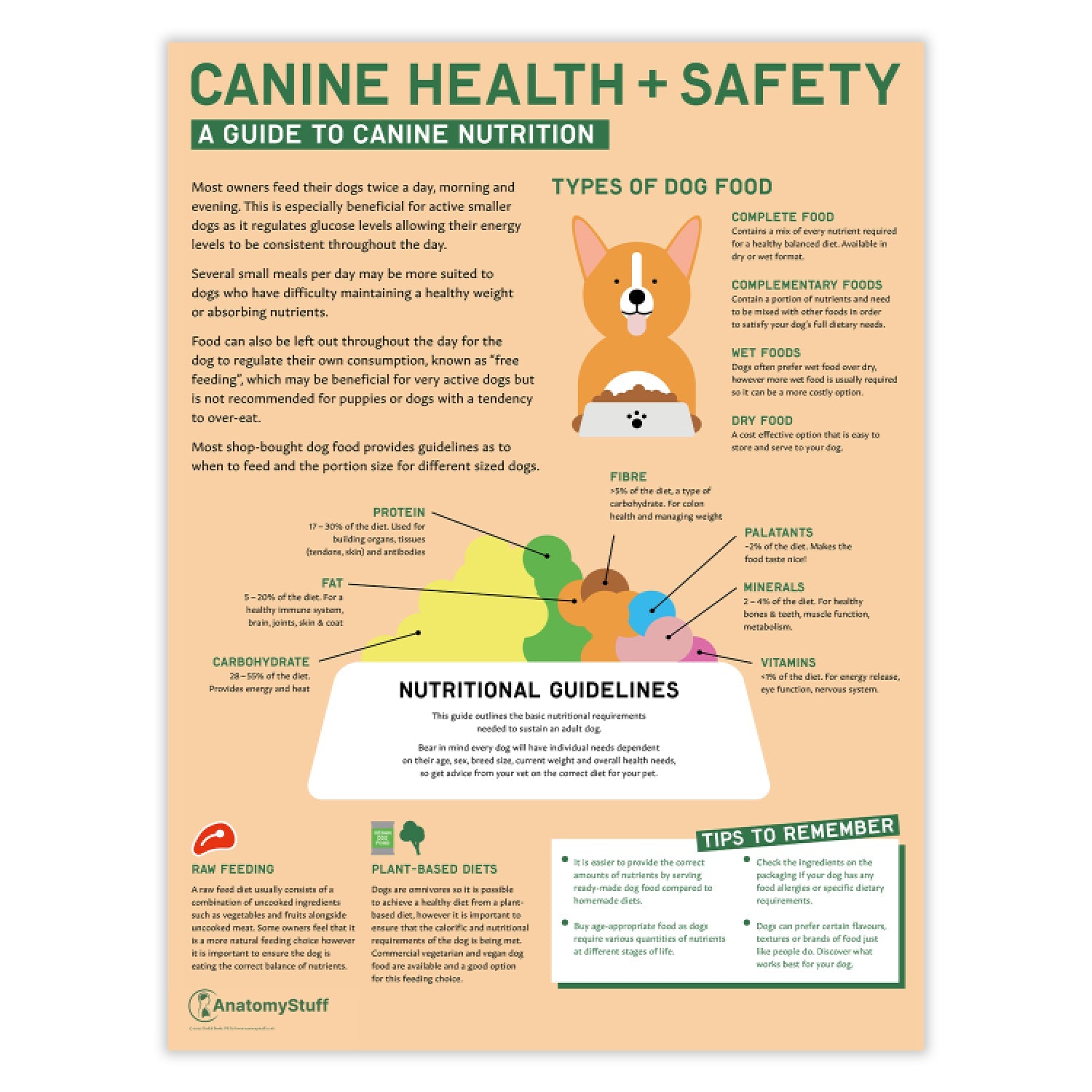
Fats are the most focused type of food energy, supplying your family pet with greater than two times the power of proteins or carbohydrates. Fats are necessary in the structure of cells, required for the production of some hormones, and are needed for absorption and usage of certain vitamins. Fats also supply insulation and defense for internal organs.
Carbs supply energy, play a crucial duty in the health of the intestinal tract, and are essential for reproduction. While there is no minimum carbohydrate demand, there is a minimum sugar need needed to provide energy to critical organs such as the mind. Fibers are sort of carbohydrates that change the microbial population in the tiny intestinal tract, which can aid handle persistent diarrhea in pets.
Pet Nutrition Guide - Tenafly Veterinary Center Things To Know Before You Buy
Most vitamins can not be synthesized in the body, and therefore are important to acquire in the diet. Please note that when feeding your pet a total and well balanced diet regimen, it is unnecessary to give a vitamin supplement unless a specific vitamin shortage is identified by a vet. Due to over supplementation, poisoning because of excess vitamins (hypervitaminosis) is much more common these days than vitamin deficiency (hypovitaminosis).

Excess vitamin D may cause extremely dense bones, soft tissue calcification and kidney failing. Minerals are nutrients that can not be manufactured by animals and should be offered in the diet plan. In basic, minerals are crucial as architectural constituents of bones and teeth, for keeping fluid balance and for their involvement in numerous metabolic reactions.
All About Nutritional Advice - Vet 2 You
This procedure of slowly minimizing a young puppy's dependency on his mother's milk, referred to as weaning, should generally start in between 3 and four weeks of age and is ideally entirely by the time the young puppy is seven to 8 weeks. Young puppies get full nutrition from their mother's milk for the initial four weeks of life, so there is no demand to feed them anything throughout that time.
If you discover yourself in this circumstance, contact your veterinarian for product and feeding referrals. After that time, it's best to allow discouraging be a progressive procedure that occurs over a number of weeks. This permits the mother pet dog to gradually run out her milk supply and puppies need time to find out essential habits from their mommy and littermates, consisting of just how to analyze signs of supremacy, prevent their very own biting routines and send to more dominant pet dogs.

While divided, introduce the young puppies to consuming from a pan. The amount of food, the frequency and length of splitting up can slowly be enhanced.
A spoiled lap pet dog may call for just 10% of that, while an energetic pet dog that works out consistently outdoors might need maintenance plus 20 to 40%. You might need to change sections as you discover your canine's suitable "upkeep" quantity. Pet dog proprietors ought to always seek advice from with their dog's vet to identify the most effective feeding routine and kinds of foods for their animals.
Getting My March Is Pet Nutrition Month! - Holistic Veterinary Care - Oakland, Ca To Work
Make certain to talk to your vet on your pet dog's post-opt nutritional needs. Rewards should be given up small amounts and stand for 5 percent or less of the pet's daily food intake. The remainder must originate from a nutritionally compete pet dog food. When making use of deals with as inspiration, such as during training workouts, use the smallest items you can.

Table of Contents
Latest Posts
The Facts About Florida - National Center For Enhanced Post-adoption Support Revealed
The Basic Principles Of Costco Members Could Save Through Figo Pet Insurance 1
More About Inbound Vs. Outbound: Statistics That Make A Difference - Ironpaper
More
Latest Posts
The Facts About Florida - National Center For Enhanced Post-adoption Support Revealed
The Basic Principles Of Costco Members Could Save Through Figo Pet Insurance 1
More About Inbound Vs. Outbound: Statistics That Make A Difference - Ironpaper